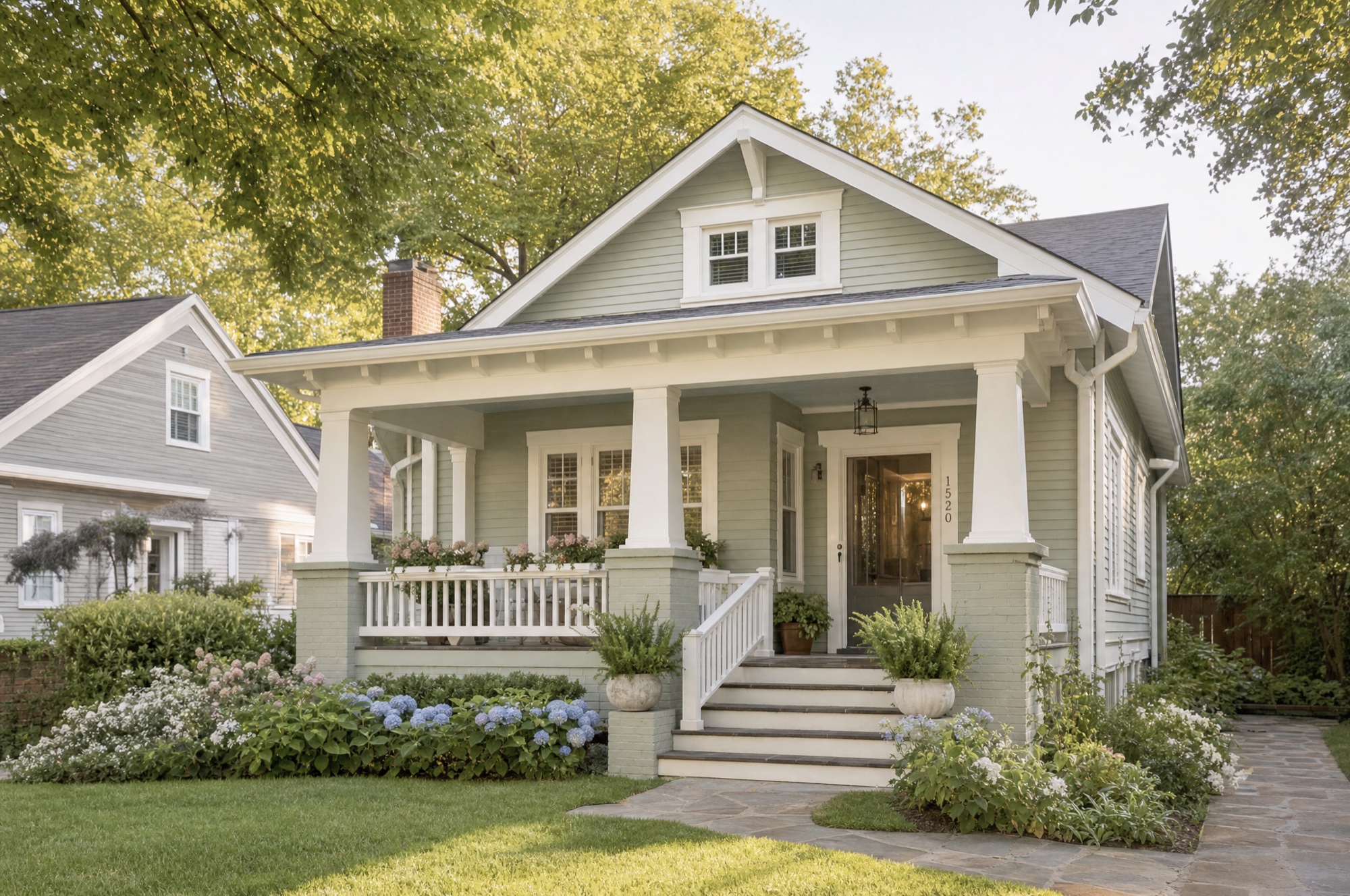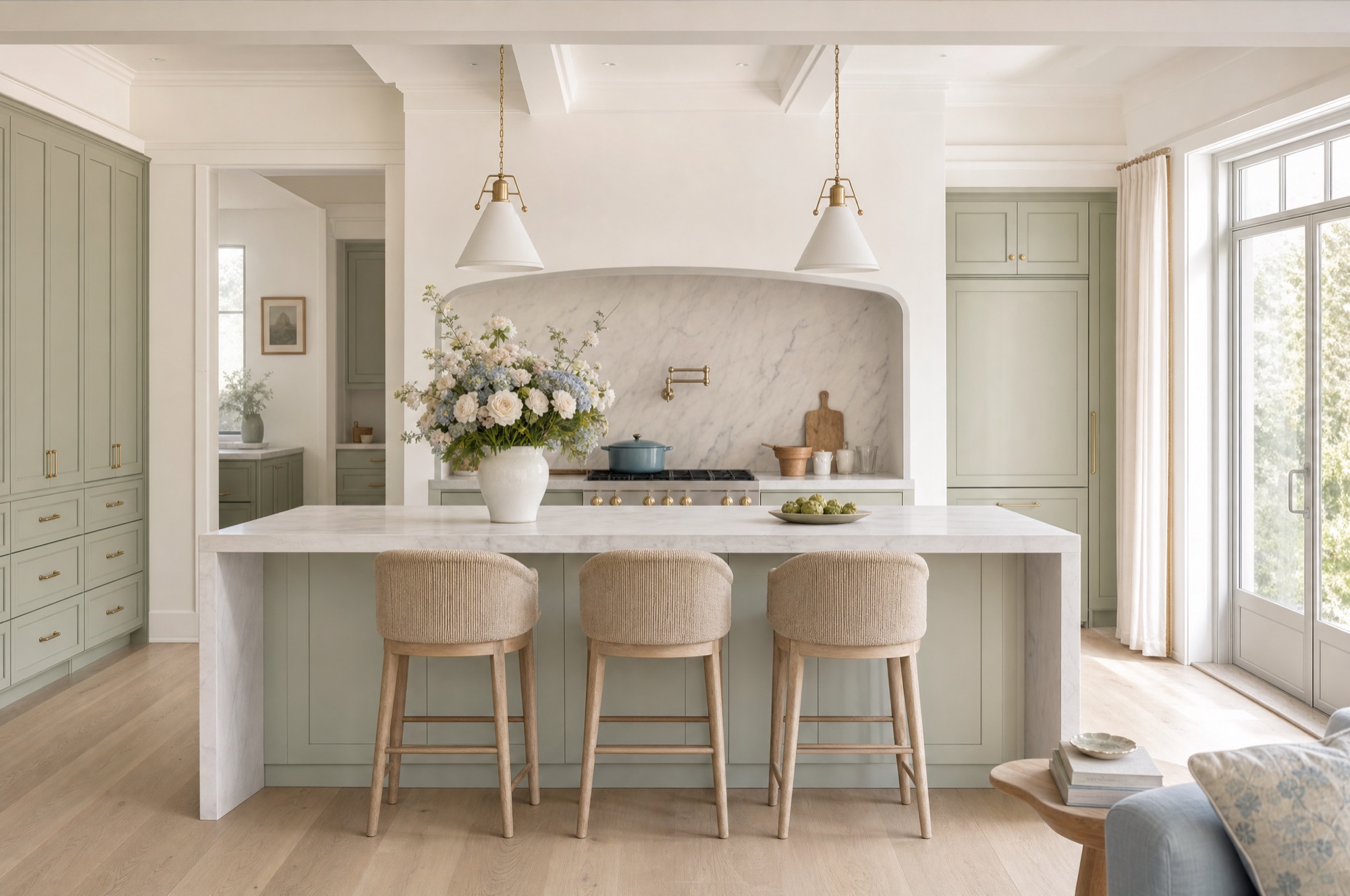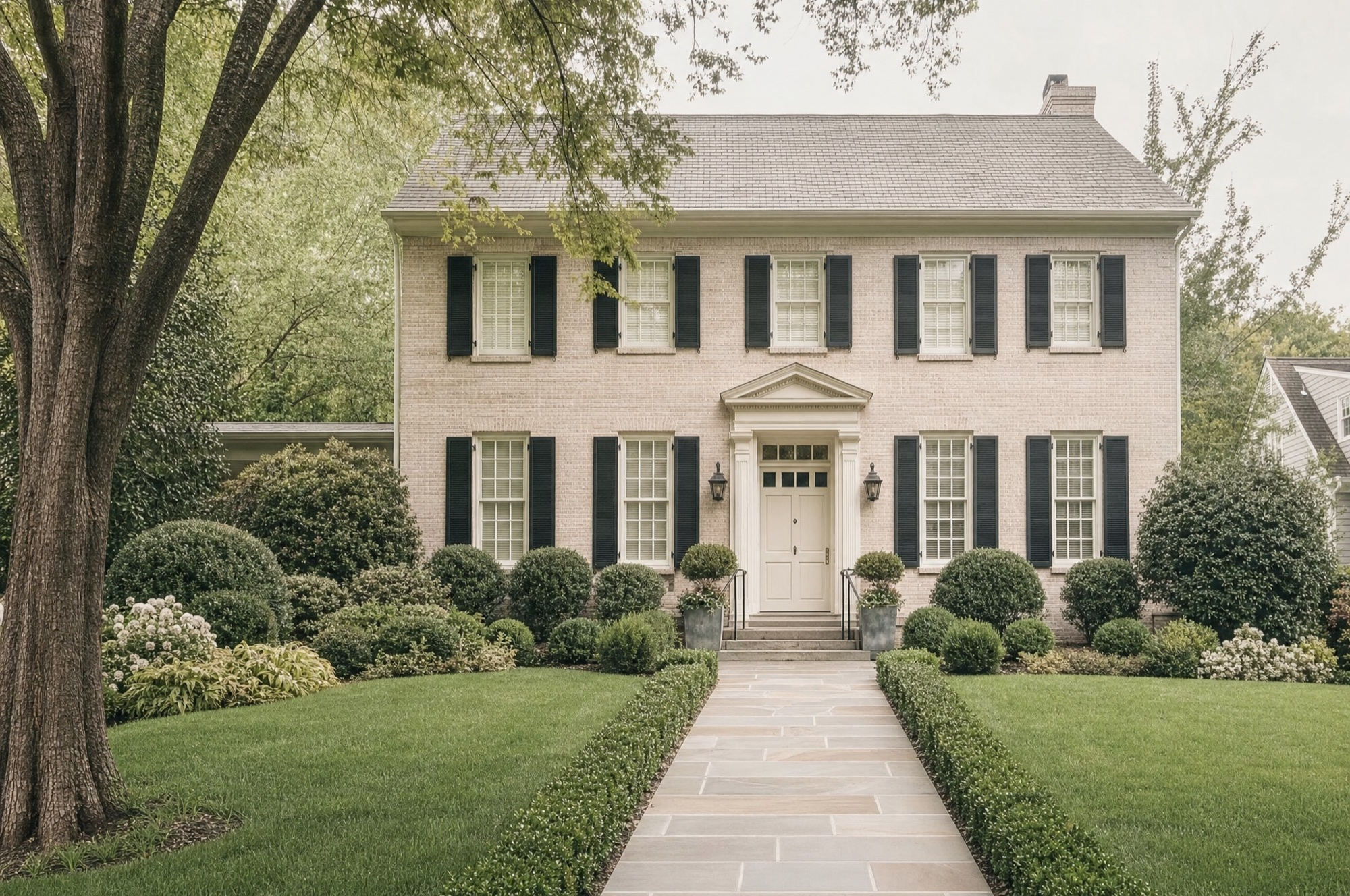
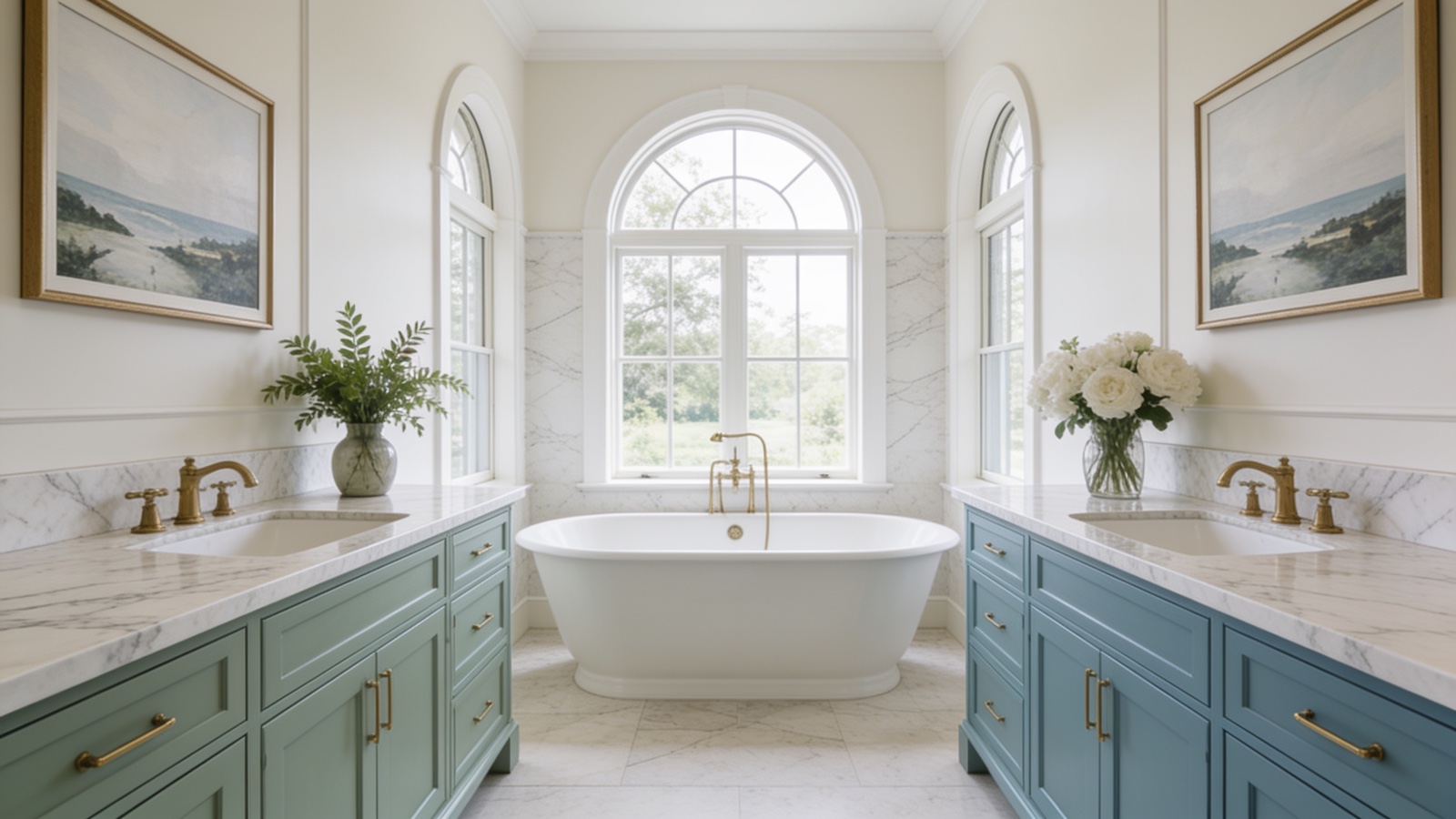
Buying your first home in Charlotte is less about finding a "starter" and more about making a calm, long-term decision under short-term pressure. The buyers who do it best in 2026 get clear on their budget and their five-year life before they tour anything, prioritize location and fit over finishes, and choose a home they can grow into or sell easily — not the most house they can technically afford. Your first home doesn't have to be forever. It does have to be a good decision you won't resent when life changes.
Your first home is a decision, not a destiny
There's a quiet pressure on first-time buyers to find the one — the home that will hold the next decade of life. Let that go. Your first home is a step, not a summit. The goal isn't to guess your whole future; it's to make a sound decision with what you know now, in a home that gives you options when things change.
That reframe takes the panic out of the search and, ironically, leads to better choices. So let's think about this the way I'd think about it with you across a kitchen table — calmly, and with the long game in mind.
Your first home is a step, not a summit.
Start with your five-year life, not the listings
Before budget, before tours, answer this: what does your life realistically look like in five years? Same job or a likely move? Partner, kids, pets entering the picture? Remote work that needs a real office? The honest answers reshape what "right" means:
- If a relocation is plausible, resale-ease matters — buy something the next person will also want.
- If a family is coming, a little room to grow beats a perfect one-bedroom.
- If you work from home, a quiet street and a real office outrank walkable nightlife.
You don't need certainty. You need to buy a home that's forgiving of the most likely versions of your future. (Not sure which version of Charlotte fits the life you're building? The 2-minute quiz is a calm place to start.)
Get your budget honest — and separate "can" from "should"
A lender will tell you what you can borrow. That number is a ceiling, not a target. The first-home mistake I most want to spare you is buying at the top of the ceiling and spending five years house-poor, with no margin for the water heater, the wedding, or the job change.
Build your real budget from the monthly life you want, not the maximum loan:
- Mortgage, taxes, and insurance you're genuinely comfortable with.
- A cushion for maintenance — older homes especially.
- HOA dues if you're in a newer community.
- Room to still live — travel, save, breathe.
The right first home leaves you margin. Margin is what makes a home feel like a sanctuary instead of a stressor.