
Charlotte Life · Lifestyle Fit

Which Charlotte is yours?

Before you compare homes, compare lives — and let the right part of the city choose itself.
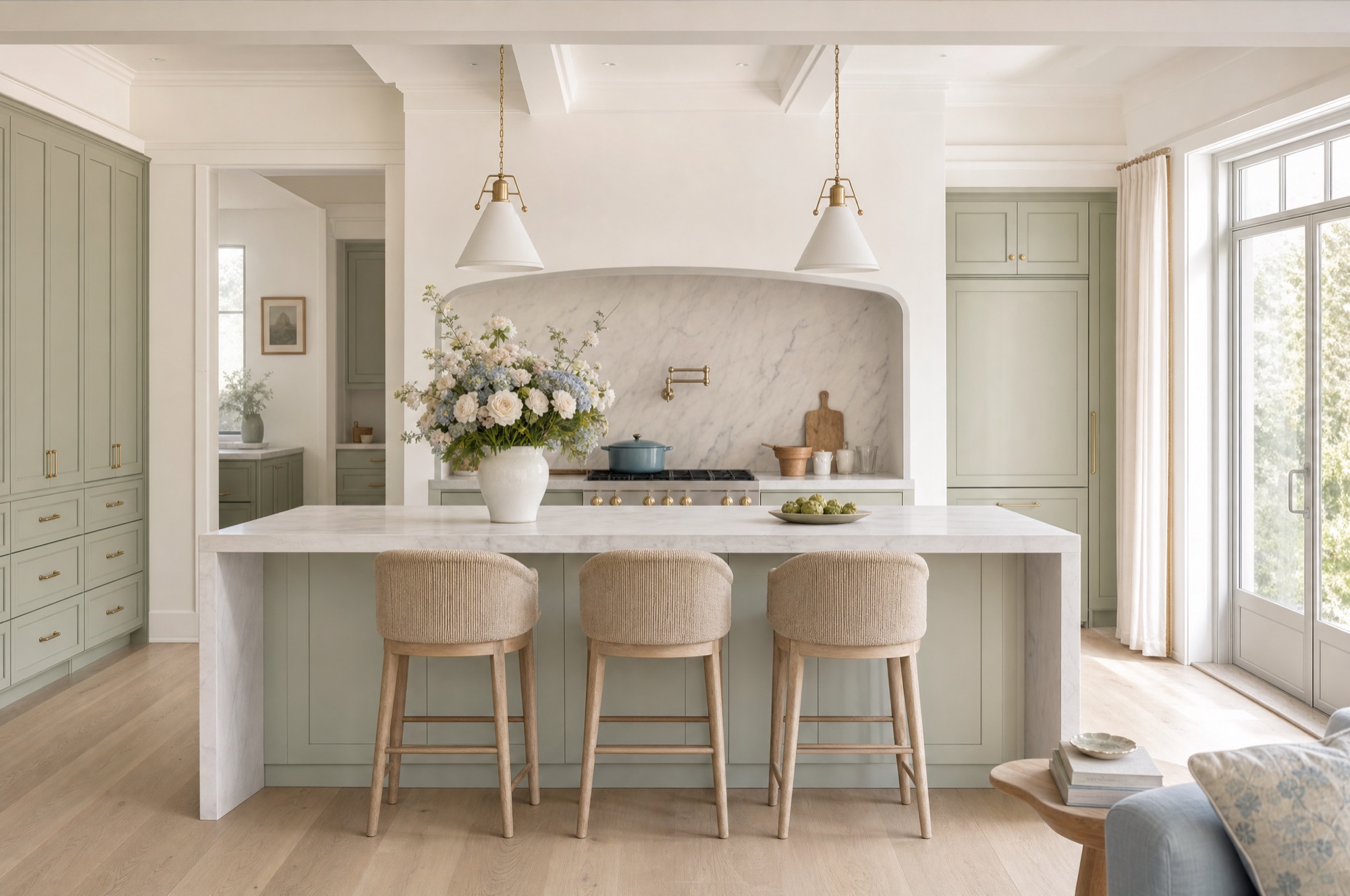
A calm, light-filled Charlotte sunroom
The short answer

Choosing where to live in Charlotte is less about square footage and more about pace. The city offers roughly four daily rhythms: walkable-social (Uptown, South End), leafy-balanced (Dilworth, Plaza Midwood, SouthPark), established-quiet (Myers Park, Eastover), and spacious-suburban (Ballantyne, Waxhaw, Davidson, Lake Norman). The right one is the one that matches how you want a normal Tuesday to feel — your energy, your work, your nervous system — not the one with the prettiest listing. Match the rhythm first, and the house almost chooses itself.

Stop comparing homes. Start comparing Tuesdays.

Here's the most useful sentence I know about buying in Charlotte: the house is a 10% decision and the life around it is the other 90%. You can renovate a kitchen. You cannot renovate the street outside your door, the length of your commute, or how loud your block is at 9 p.m. on a Tuesday.

Yet almost everyone shops backwards — listings first, life second. They fall for a beautiful home, move in, and feel vaguely "off" for a year without being able to name why. The home was lovely. The rhythm didn't fit. This guide is built to prevent that specific, expensive regret by helping you choose the rhythm on purpose.

The house is a 10% decision. The life around it is the other 90%.

The four rhythms of Charlotte

One

Walkable-social — Uptown & South End

Your day has motion built in: coffee downstairs, dinner three minutes away, light rail instead of a car, people and plans close at hand.

Choose this if
You're energized by being near things, and you'd rather have a smaller space in the middle of it all than a bigger one on the edge.
The trade-off
Less square footage, shared walls, and a world that doesn't fully go quiet.
Two

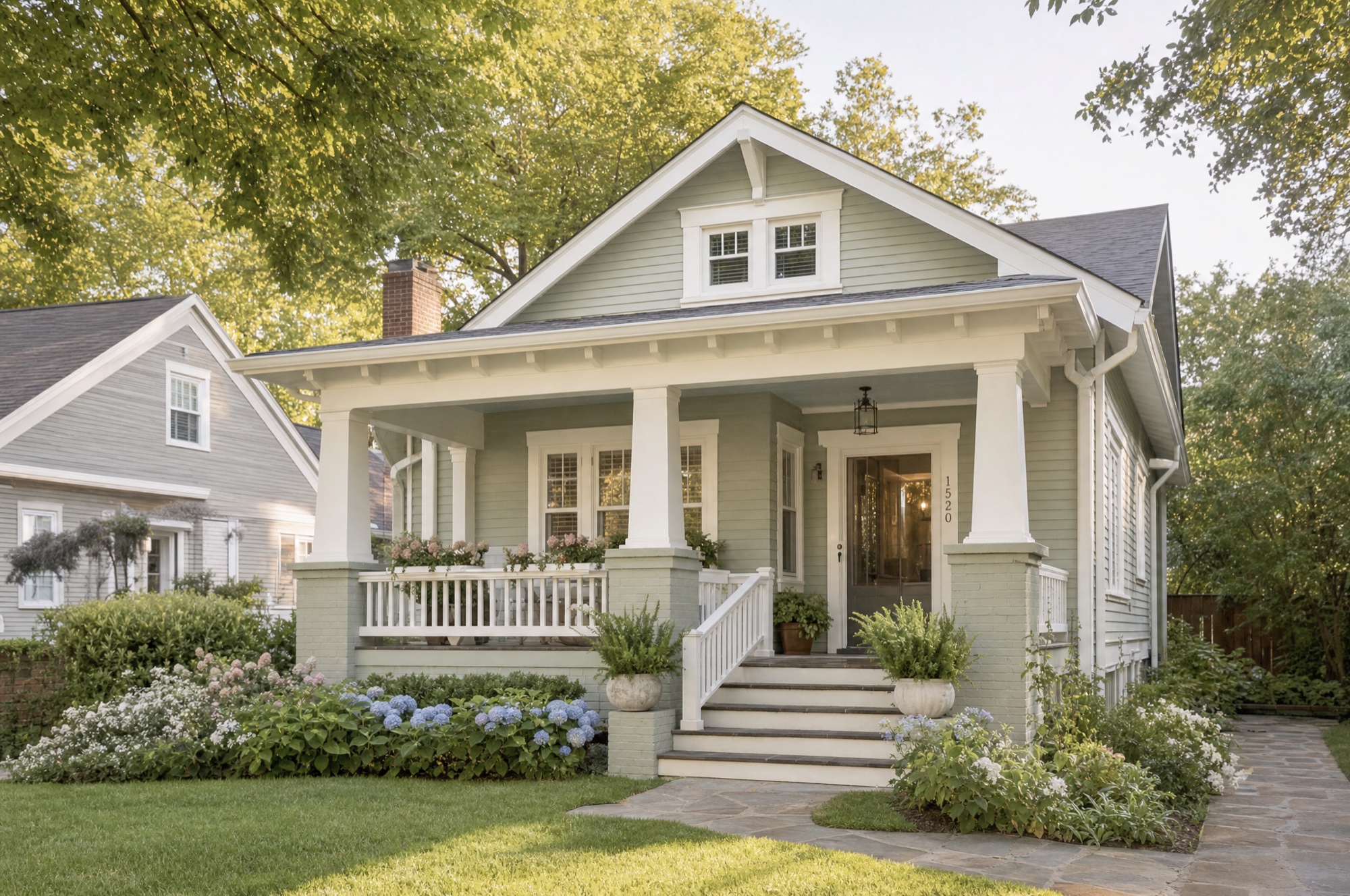
Leafy-balanced — Dilworth, Plaza Midwood, SouthPark, Cotswold

Tree canopy, neighborhood routines, calm that doesn't tip into isolation — you can walk to some things and drive to the rest.

Choose this if
You want the middle path: character and proximity without the full intensity of the center.
The trade-off
You pay a premium for that balance, and the close-in charm often comes with older homes.
Three

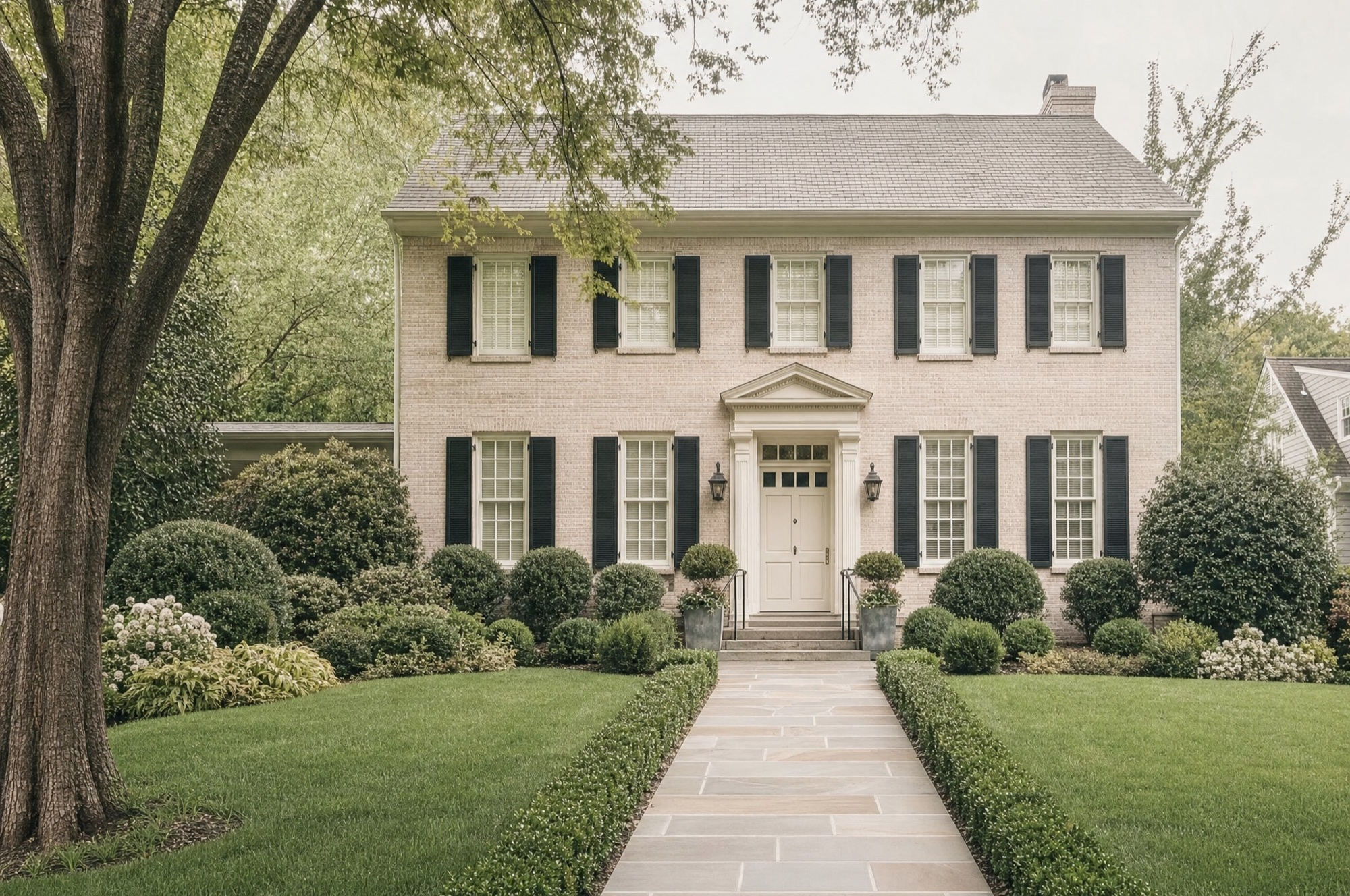
Established-quiet — Myers Park & Eastover

Buffered, predictable, visually calm — less stimulation by design.

Choose this if
Your nervous system settles in stability and space, and you value a street that looks the same in twenty years.
The trade-off
You trade walkability for driving, and you pay for location and lot.
Four

Spacious-suburban — Ballantyne, Waxhaw, Weddington, Davidson, Lake Norman

Room to breathe: newer homes, bigger lots, strong schools, water and land, a structured family rhythm.

Choose this if
Space, schools, and a quiet evening matter more than walking to dinner.
The trade-off
Everything is a drive, and there's a degree of master-planned sameness.

A hand-sculpted plaster relief of butterflies and roses on a soft blush ground
A move is a rare chance to choose the life, not just the address.

The questions that actually reveal your fit

Forget bedroom counts for a minute. These are the questions I ask clients, because the answers point straight at a rhythm:

  1. At 6 p.m. on a Tuesday, where do you want to be? A buzzing block, or a quiet porch?
  2. Do you work from home? If your home is your office, the street matters more than the restaurant scene — quiet beats walkable.
  3. What does a good weekend look like? Spontaneous plans you walk to, or space and projects you drive home to?
  4. What drains you faster — boredom or noise? This one is the tiebreaker more often than people expect.
  5. Who's in the house? Kids and pets push toward space and schools; a couple or a solo buyer has more freedom to optimize for energy.

There are no wrong answers — only honest ones. The goal is to name your rhythm out loud before a beautiful listing talks you out of it.

Not sure which rhythm is yours? Take the 2-minute quiz →

Why fit beats features every time

Features photograph well. Fit is invisible in pictures and obvious in your body after a month. The buyers I've seen happiest a year later almost never bought the "best" house on paper — they bought the house in the rhythm that matched them, sometimes giving up a feature or two to get the right street. The ones with regret usually did the reverse: maximized features, ignored rhythm, and spent a year feeling subtly wrong in a home they couldn't fault.

How I use this with clients

When someone sends me listings, I don't open them first — I ask how they want a normal week to feel, then translate that into a rhythm, a ring, and finally a shortlist. It reorders the whole search around the thing that actually determines whether you'll love it: fit. It's also why the next step I offer isn't a home tour — it's a short conversation about your Tuesdays.

You read the whole thing — go deeper

Find the rhythm before you find the house

The free workshop walks you through matching your real life to the right part of Charlotte — the exact framework I run with clients, on your own time, no pressure.

Watch the free class →

Frequently asked

How do I decide which Charlotte neighborhood is right for me?

Start with rhythm, not square footage: decide whether you want walkable-social, leafy-balanced, established-quiet, or spacious-suburban, based on how you want a normal Tuesday to feel — then shortlist neighborhoods inside that rhythm.

Is Charlotte better for a quiet life or a social life?

Both exist here. Uptown and South End deliver walkable-social energy; Myers Park and the outer suburbs deliver established-quiet calm; Dilworth and SouthPark sit in the balanced middle.

Where should I live in Charlotte if I work from home?

Prioritize a quiet street and decompression over walkability — Dilworth, South Charlotte, or the suburbs. When your home is your office, the block matters more than the nightlife.

Does the neighborhood matter more than the house in Charlotte?

Usually, yes. You can renovate a home, but you can't change the street, the commute, or the pace around it — which is why matching the rhythm first leads to fewer regrets.

A Charlotte room with a hand-sculpted plaster relief feature wall
The way a home greets you sets the tone for everything after.
Eridania M. Bonilla, REALTOR®
Your guide
Eridania M. Bonilla
REALTOR® · Better Homes and Gardens Real Estate Paracle

I help Charlotte families move up, right-size, and relocate without losing their footing — treating the whole thing as one calm, connected move instead of two stressful transactions. Twenty-five years in brand and design before real estate taught me that how a place feels is the whole point.

Atención completa en español — escríbeme con confianza.

The quiet letter

One thoughtful note a month

Neighborhood reads, market truth, and the occasional exhale. No noise — unsubscribe anytime.