Relocating · The Honest Guide

Moving to Charlotte in 2026

An unhurried map to what life here actually costs, how the city is laid out, and how to land in the right part of it.
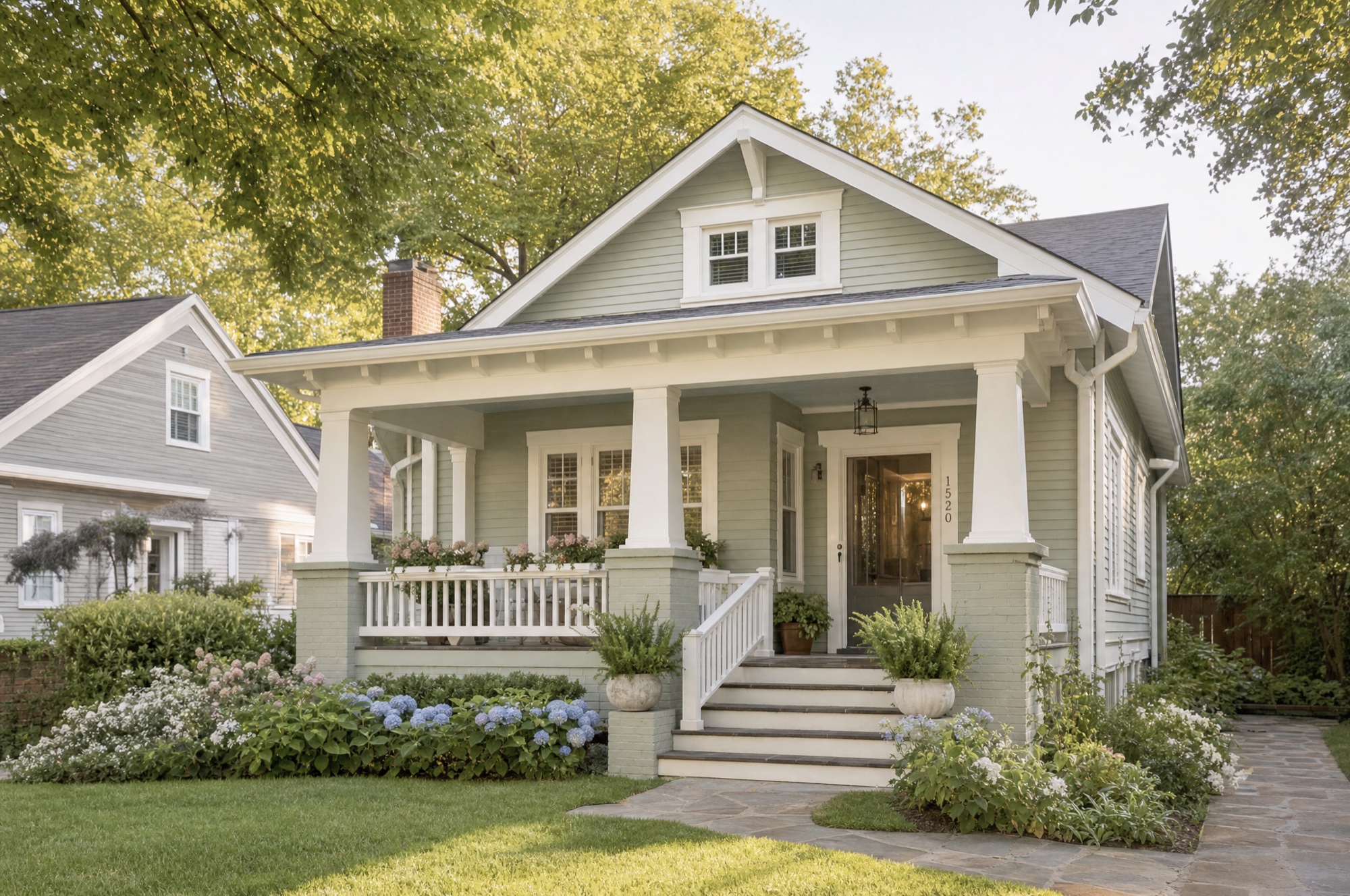
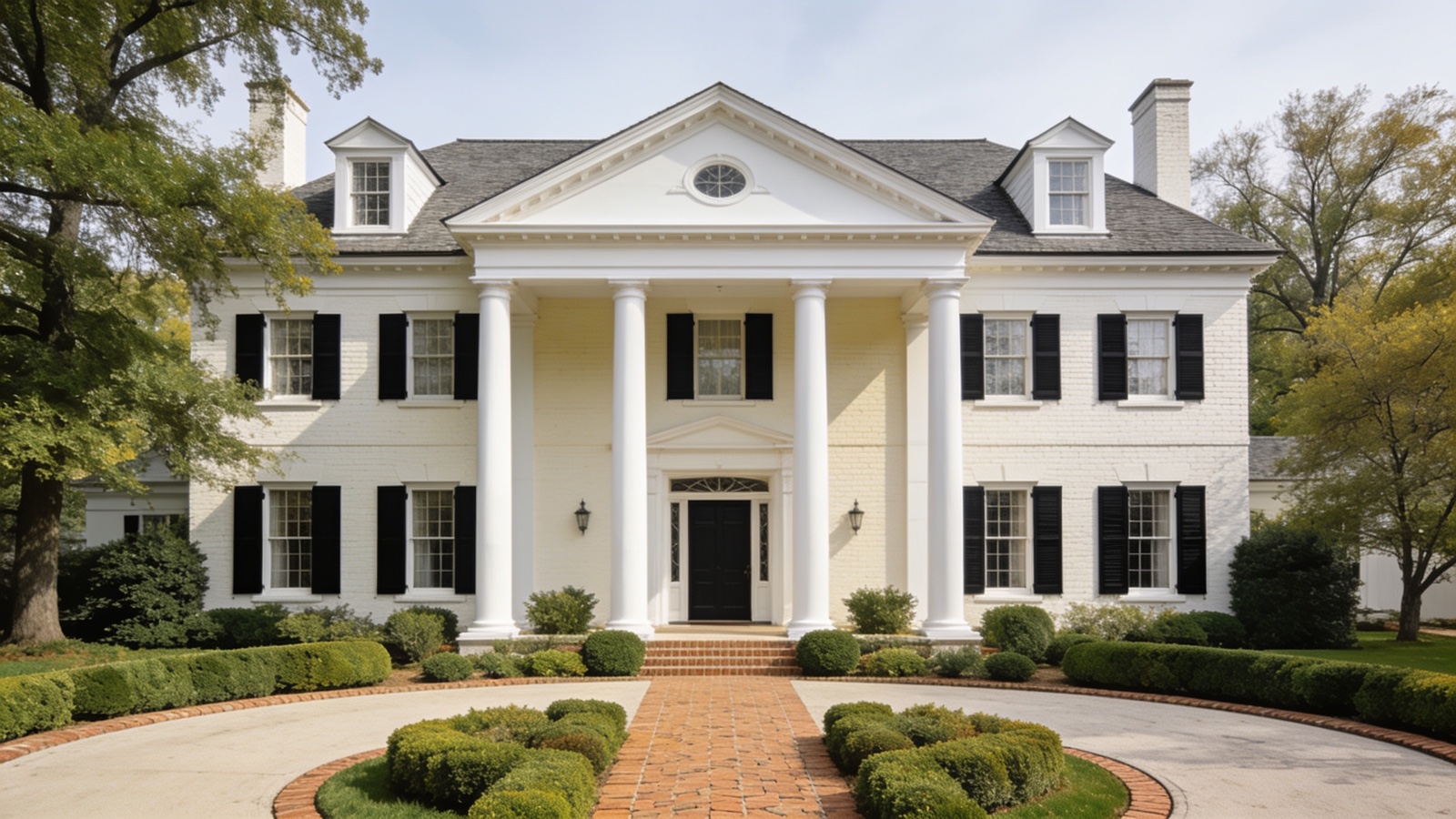
A classic brick traditional home in a leafy Charlotte neighborhood
The short answer

Charlotte in 2026 is a mid-sized Southern city that still feels reachable: a real job market (banking, tech, healthcare, energy), a cost of living below the big coastal metros, four mild seasons, and an international airport that puts most of the country two hours away. The honest catch is that it's a driving city of distinct neighborhoods, so where you land inside Charlotte matters more than the fact that you're moving here. The people who settle in happiest aren't the ones who found the best house — they're the ones who matched the right part of the city to the way they actually want to live.

Start with the city, not the listings

Most people researching a move to Charlotte start in the wrong place: open listings, sort by price, fall for a kitchen. I'd ask you to do the opposite. Picture an ordinary Tuesday a year from now — where do you want to be standing at 6 p.m.? On a walkable block with dinner three minutes away, or on a quiet porch with a yard going gold in the evening light?

Charlotte can give you either. It just can't give you both on the same street, and choosing the wrong one is the most common relocation regret I see. So this guide is a map, not a sales pitch. I'll walk you through what Charlotte is actually like to live in, what it costs, how it's laid out, and the few things I'd want a friend to know before they signed anything.

What Charlotte is actually like in 2026

Charlotte is the second-largest banking center in the country, which shaped its DNA: it's professional, growth-minded, and a little understated. The newcomers keep coming — people relocating from the Northeast, the Midwest, California, and increasingly from higher-cost Southern cities — drawn by jobs, space, and a lower bill at the end of the month.

The texture of daily life is mild. Winters rarely bite; summers are warm and humid; spring and fall are genuinely beautiful. The culture is friendly without being performative. It is not a 24-hour city — if you're coming from New York or LA, the quiet at night is either the thing you'll love most or the adjustment you'll feel first. Most transplants land somewhere in the middle: relieved by the ease, occasionally missing the intensity.

Don't relocate your old life — design your new one.

The money: an honest read

The headline reason people move here is the math, and it mostly holds up in 2026 — with nuance.

I wrote a full companion piece on the true cost of living here, because "cheaper than where you're coming from" and "cheap" are two different statements, and I'd rather you have the real number.


A hand-sculpted plaster relief of a dragonfly on a sage-green ground
The move is a rare chance to choose the daily rhythm you actually want.

How the city is laid out

Think of Charlotte in three rings.

The center

Uptown and South End — the vertical, walkable, social Charlotte: condos and townhomes, light rail, restaurants, motion. Highest energy, smallest square footage per dollar.

Close-in

Dilworth, Myers Park, Plaza Midwood, SouthPark, Cotswold — the leafy, established middle: character homes and renovations, tree canopy, calm that doesn't tip into isolation. This is where a lot of move-up families land.

The outer ring

Ballantyne, Waxhaw, Weddington, Davidson, Lake Norman — trades minutes for space: newer construction, bigger lots, strong schools, water and land. The most house per dollar, paid for in commute.

There's no winner here, only fit. I broke all of this down feeling-by-feeling in the neighborhood guide — start there once you know roughly which ring matches your life. And if you're not sure which rhythm is yours, the lifestyle-fit guide is the place to begin.

The five things I'd tell a friend before they move

  1. Pick the ring before the house. Decide whether you want walkable-center, leafy-close-in, or spacious-outer first. The house is downstream of that choice.
  2. Drive your future commute at the actual time you'd drive it. Charlotte traffic is real on the major corridors. A 20-minute midday test drive lies to you.
  3. Rent for a season if you can. Even 3–6 months in the right ring tells you more than ten weekend visits.
  4. Budget for two cars and the suburb premiums (HOA, longer drives) — or pay the close-in premium to avoid them. Either way, name the trade-off.
  5. Don't relocate your old life — design your new one. The move is a rare chance to choose the daily rhythm you actually want. Most people only realize that in hindsight.

Not sure which ring is yours? Take the 2-minute quiz →

How I actually help people land

When someone reaches out about relocating, we don't start with homes — we start with how they want a normal week to feel, then work backward to the ring, the neighborhood, and finally the house. It's the opposite order from how most people search, and it's the reason the buyers I work with tend to still love their choice a year later. A move is expensive, disruptive, and emotional. Done with a plan, it can also be the cleanest reset you'll ever get.

You read the whole thing — go deeper

The free class: land in the right part of Charlotte

The free workshop walks the whole relocation — picking the ring, pressure-testing the budget, and matching your real life to the right neighborhood — on your own time, no pressure.

Watch the free class →

Frequently asked

Is Charlotte a good place to live in 2026?

Yes, for most people — a strong job market, mild weather, and a cost of living below the big coastal cities. The main caveat is that it's car-dependent outside the center, so where you live within Charlotte matters a lot.

Is it expensive to move to Charlotte?

It's more affordable than the Northeast, West Coast, and many big Southern metros, but no longer cheap. Housing is the biggest saving; the quiet costs are extra driving, two cars, and HOA dues in newer suburbs.

Where should I live when moving to Charlotte?

Decide first whether you want walkable-center (Uptown, South End), leafy close-in (Dilworth, Myers Park, SouthPark), or spacious outer-ring (Ballantyne, Waxhaw, Davidson, Lake Norman) — then choose the neighborhood inside that ring.

Is Charlotte good for remote workers and families?

Very — the close-in and outer-ring neighborhoods offer space and strong schools, and many transplants are remote or hybrid. Prioritize a quiet street and a real home office over walkability if you work from home.

A Charlotte room with a hand-sculpted plaster relief feature wall
The quiet corners are where a house starts to feel like yours.
Eridania M. Bonilla, REALTOR®
Your guide
Eridania M. Bonilla
REALTOR® · Better Homes and Gardens Real Estate Paracle

I help Charlotte families move up, right-size, and relocate without losing their footing — treating the whole thing as one calm, connected move instead of two stressful transactions. Twenty-five years in brand and design before real estate taught me that how a place feels is the whole point.

Atención completa en español — escríbeme con confianza.

The quiet letter

One thoughtful note a month

Neighborhood reads, market truth, and the occasional exhale. No noise — unsubscribe anytime.