At $700K in Charlotte, you're not choosing between four similar homes — you're choosing between four very different lives. The same budget buys a walkable, social townhome near the rail; a charming 1920s bungalow with history and quirks; a quiet suburban house built around decompression; or more space in an up-and-coming pocket that's still finding itself. Price doesn't predict your daily life here. Lifestyle does. This is how each $700K Charlotte feels — so you can choose the one that fits, not just the one that photographs well.
Why $700K is Charlotte's most misunderstood price point
$700K feels like a safe middle. It's enough to feel like you've "made it" to a real home, but not so much that the options narrow. And that's exactly the trap — because at this number, Charlotte gives you the widest lifestyle spread of any price point in the city. Two buyers with the identical budget can end up living lives that have almost nothing in common.
The danger isn't overpaying. It's comparing homes instead of comparing lives — falling for the finishes in one neighborhood and not realizing you signed up for a daily rhythm you'll quietly resent. Think of what follows as a lifestyle translation tool, not a value ranking. Same $700K. Four different Charlottes.
Stop comparing homes. Start comparing Tuesdays.
Walkable, social, externally stimulating
South End edges, NoDa, Uptown-adjacent pockets.
- What it buys
- A townhome or condo, often newer or well-finished, with limited private outdoor space — and proximity to restaurants, gyms, and the light rail.
- How it feels
- High energy. Visual and social stimulation on tap, background noise as a constant companion, convenience standing in for quiet. Life happens outside the home, and the home is mostly where you reset between plans.
- Who thrives
- Buyers energized by movement and proximity — people who want their calendar full and their front door close to everything. Often a short- to mid-term chapter, not a forever.
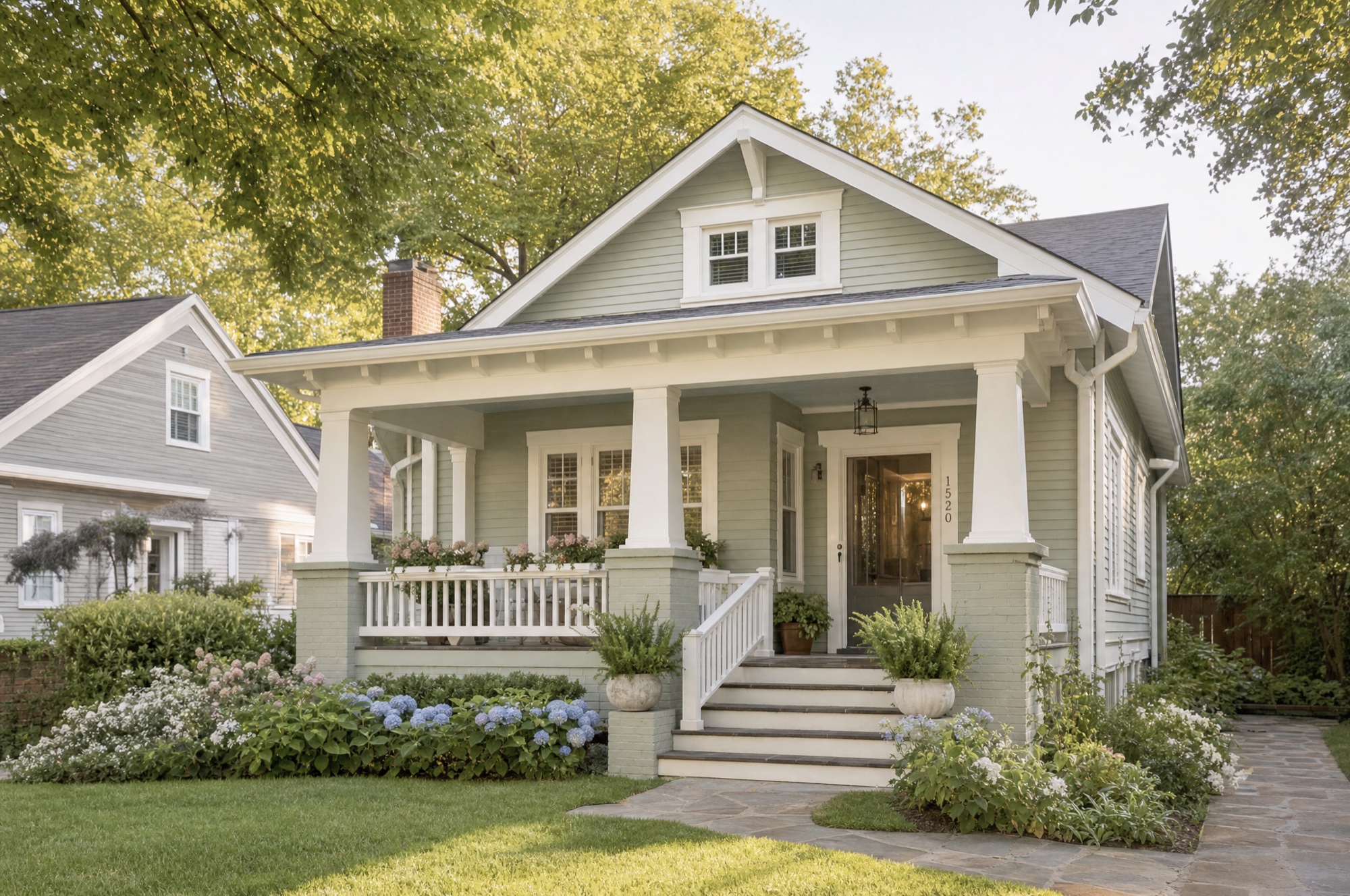
Charming, established, close-in
Plaza Midwood, Elizabeth, Oakhurst, parts of Cotswold.
- What it buys
- An older bungalow or ranch, selectively renovated, on a smaller lot with mature trees and a strong neighborhood identity.
- How it feels
- Slower and more visually calm, with the occasional friction of older homes — parking, storage, a layout that made sense in 1925. A settled feeling with texture and history underneath it.
- The trade-off
- Aging systems and ongoing updates, less open floor plan, walkability without new-build ease. You're buying soul, and soul comes with a maintenance list.
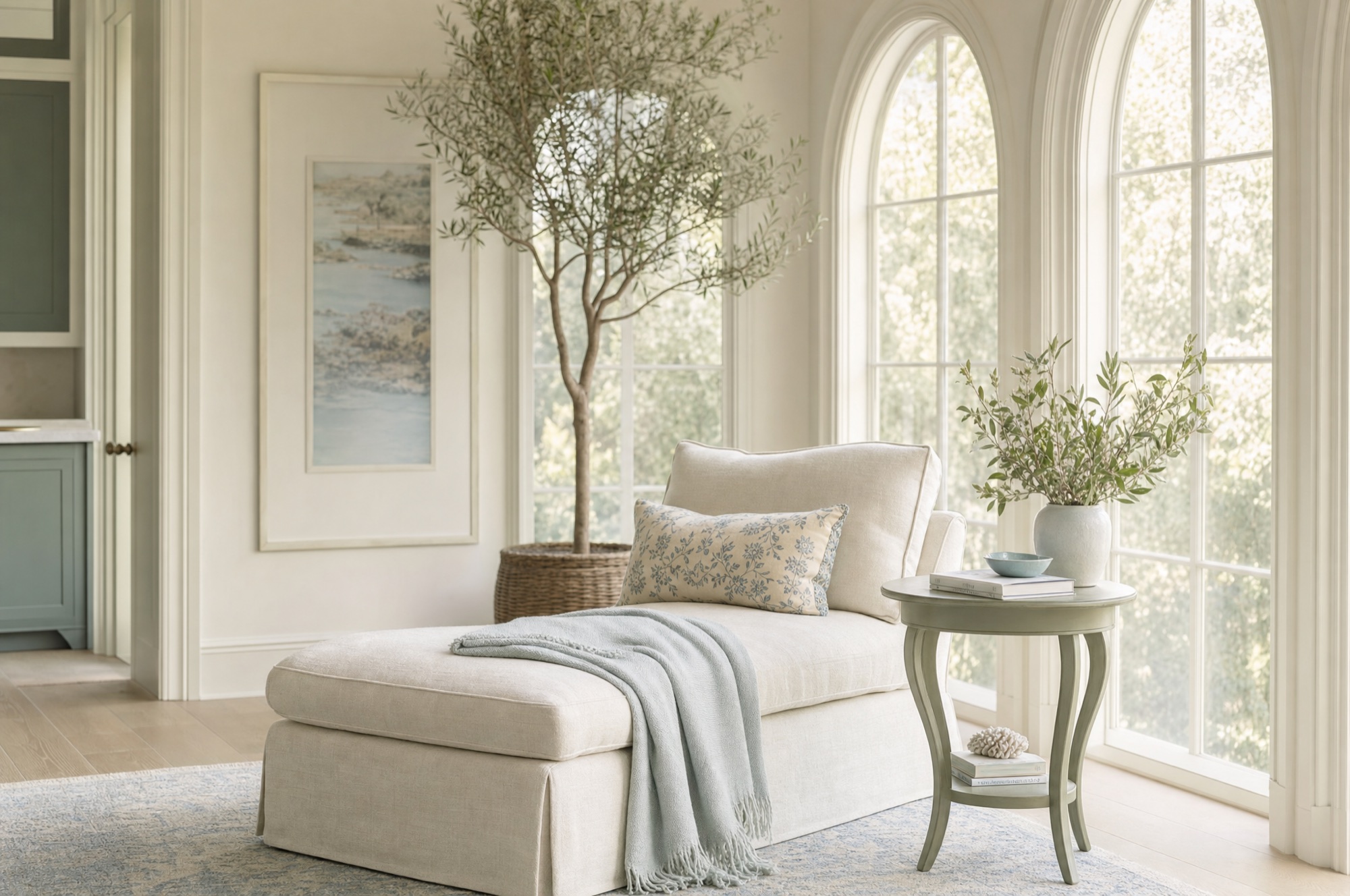
Quiet, suburban, decompression-focused
South Charlotte, Matthews, parts of Huntersville and the Weddington fringe.
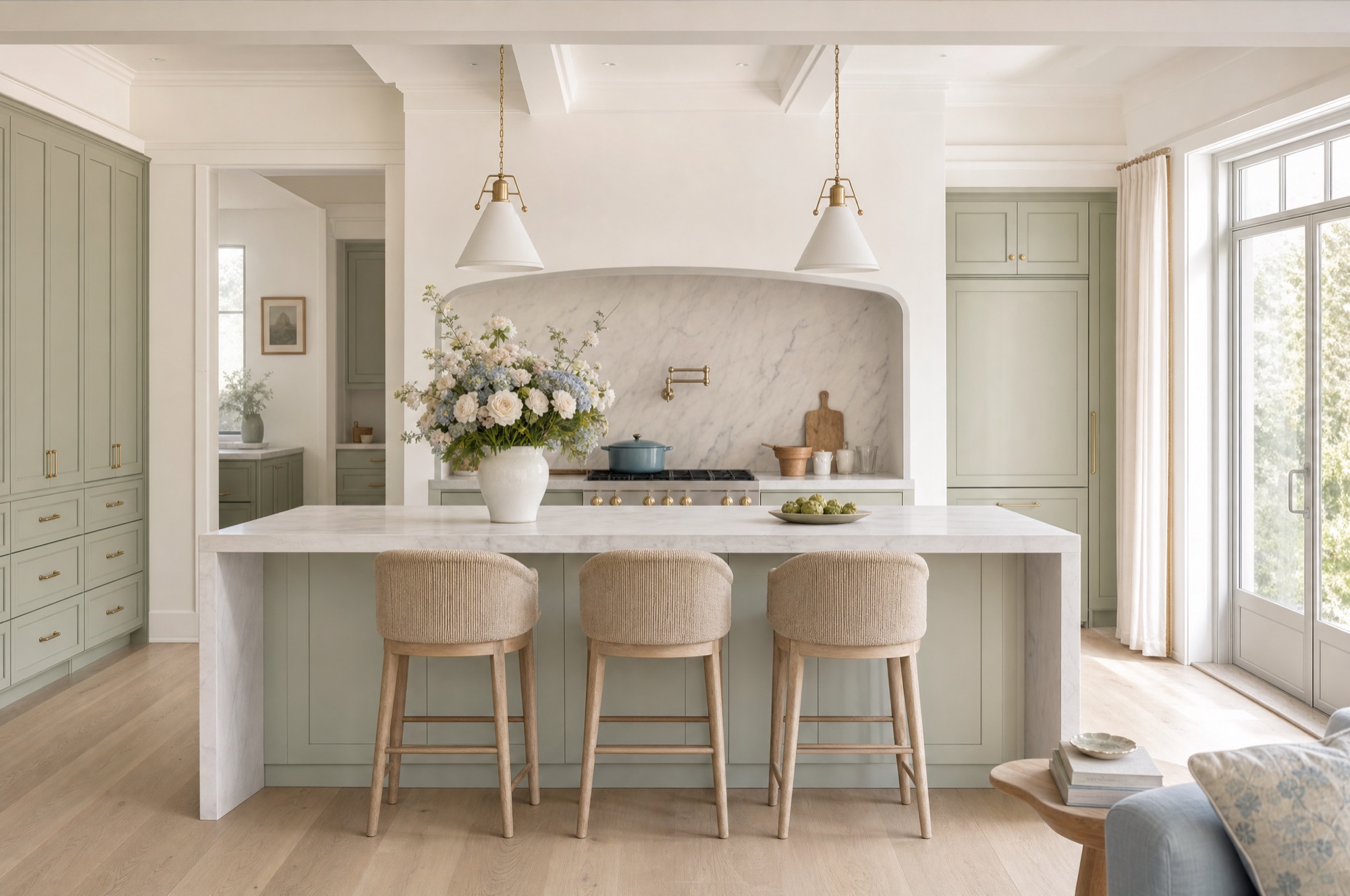
- What it buys
- A larger single-family home — newer construction or late-2000s build — with the garage, the yard, and the storage.
- How it feels
- Calm, predictable, low sensory input. Driving becomes the default for almost everything, and home becomes the primary retreat rather than a launch pad.
- Who thrives
- Buyers prioritizing nervous-system recovery — families and work-from-home professionals who'd rather trade energy for ease. If your days are already full of noise, this is the Charlotte that gives it back.
Transitional or "stretch" neighborhoods
West End, parts of East Charlotte, emerging pockets.
- What it buys
- More space, or newer builds at lower density — with a block-by-block experience that can shift from one street to the next.
- How it feels
- Mixed signals. Progress and friction in the same neighborhood, an awareness of your surroundings, a feeling of being early rather than settled.
- The reality
- Real appreciation potential traded against present-day comfort. It can be the smartest buy on this list or the most stressful — and which one it becomes depends almost entirely on whether the lifestyle fits you while you wait for the upside.